Westshore:
Communication Rooms
The Problem
Westshore Terminal operates a large industrial site where approximately 80% of the grounds function as a Faraday cage — effectively blocking all WiFi, Bluetooth, and mobile signals. When problems arose on site, workers had no way to communicate in real time. They had to physically leave the affected area, then type up reports elsewhere, by which point critical details had often been forgotten or lost entirely.
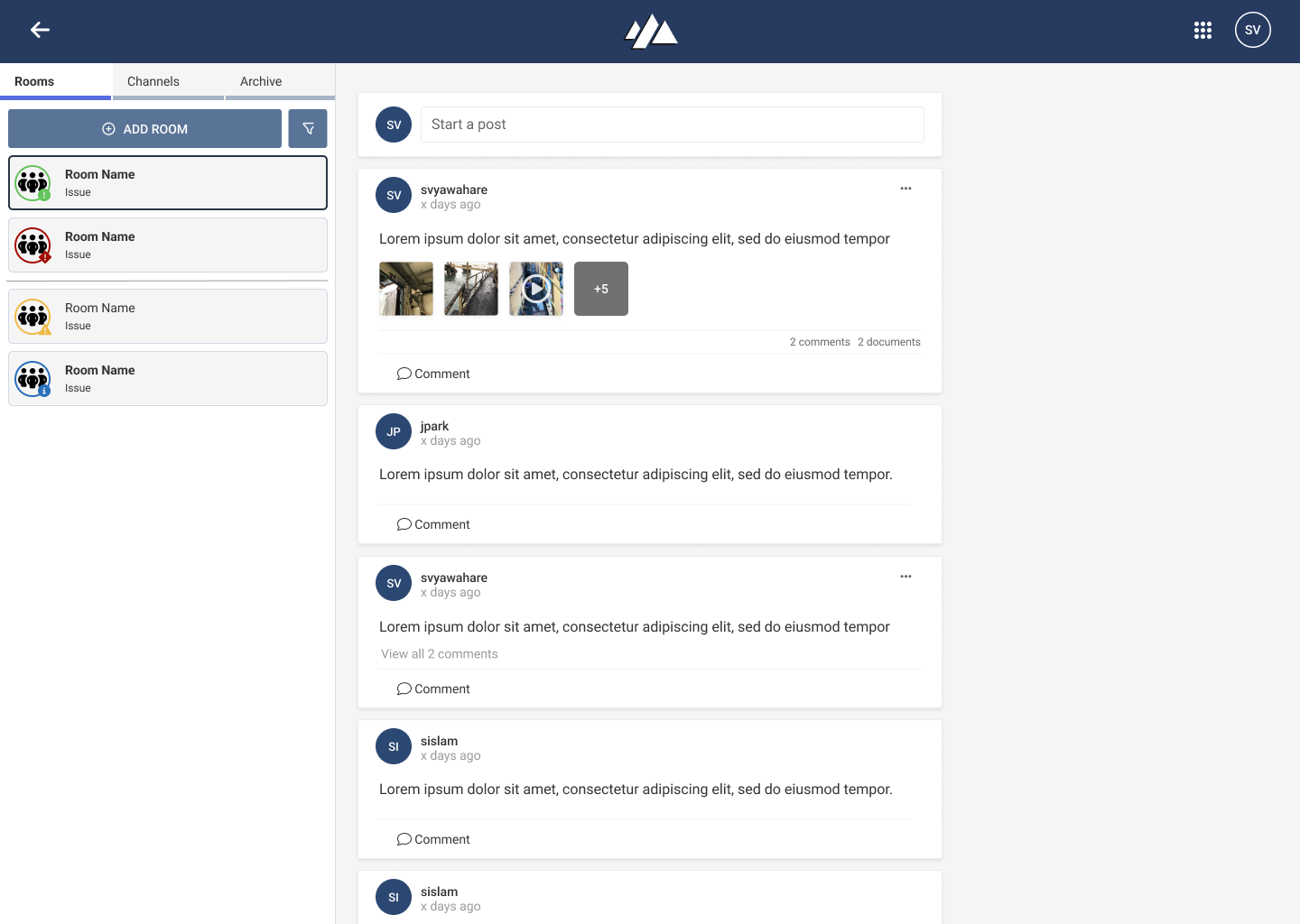
The platform Westshore used had a social media-style feed for internal communication — posts could be made and replied to, but it wasn't built for conversation. Threads were hard to follow, problem-solving was awkward, and every reply was as visible as the original post, making confidential communication impossible. As Westshore approached a contract renewal with Architech, they asked whether we had ideas worth exploring.
My Role
I initiated this project. After team discussions about the renewal, I developed an initial concept independently — sketches of a new communication feature — and brought it to the product manager and project owner for approval to pursue it as a formal workstream. They were enthusiastic and gave me the go-ahead. Over the following weeks I owned the research, design, and client presentation, with weekly check-ins with the PM and owner to pressure-test direction and refine scope.


Research and Exploration
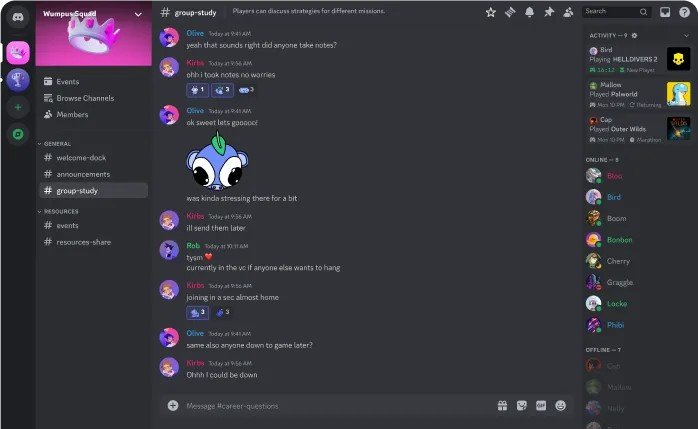
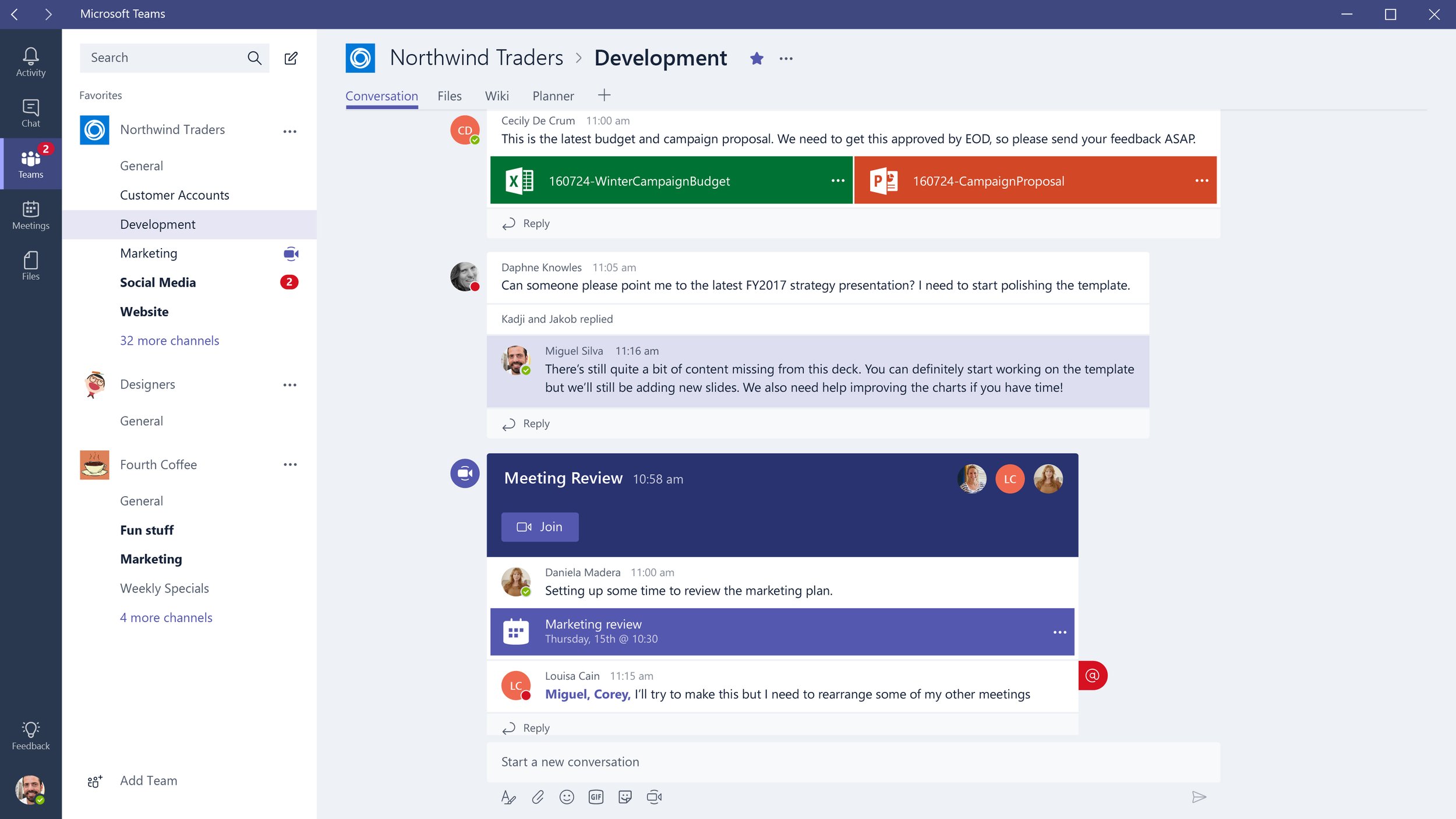
I researched communication tools across a wide range of contexts — from open platforms like Discord to closed, security-focused enterprise software — looking for models that balanced conversational flow with access control. I also drew on prior work I had done at IBM designing a similar communication feature for shipment tracking software, which gave me a useful starting point for thinking about how to structure rooms around operational problems rather than general conversation.
One idea I explored and ultimately rejected was a tiered message security system — where individual messages could be marked with a confidentiality level, and users without the appropriate clearance simply wouldn't see those messages. The concept addressed a real need, but the execution created serious problems: it required users to remember to set a privacy level on every message, which made the flow clunky and interrupted the conversational rhythm. It also made conversations incomprehensible for anyone who couldn't see the full thread. The feature solved the problem in theory and broke the experience in practice, so it was cut.

The Presentation
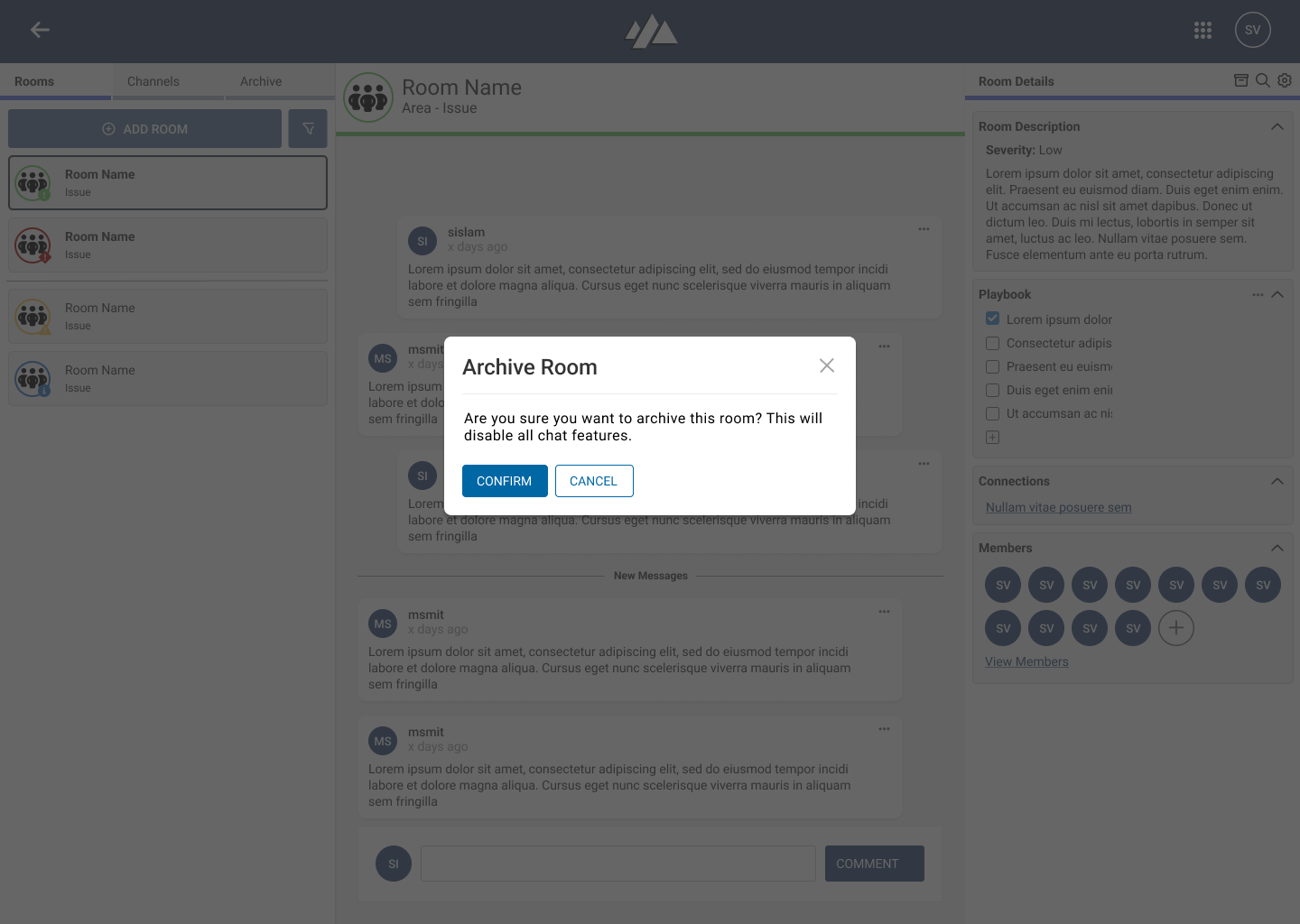
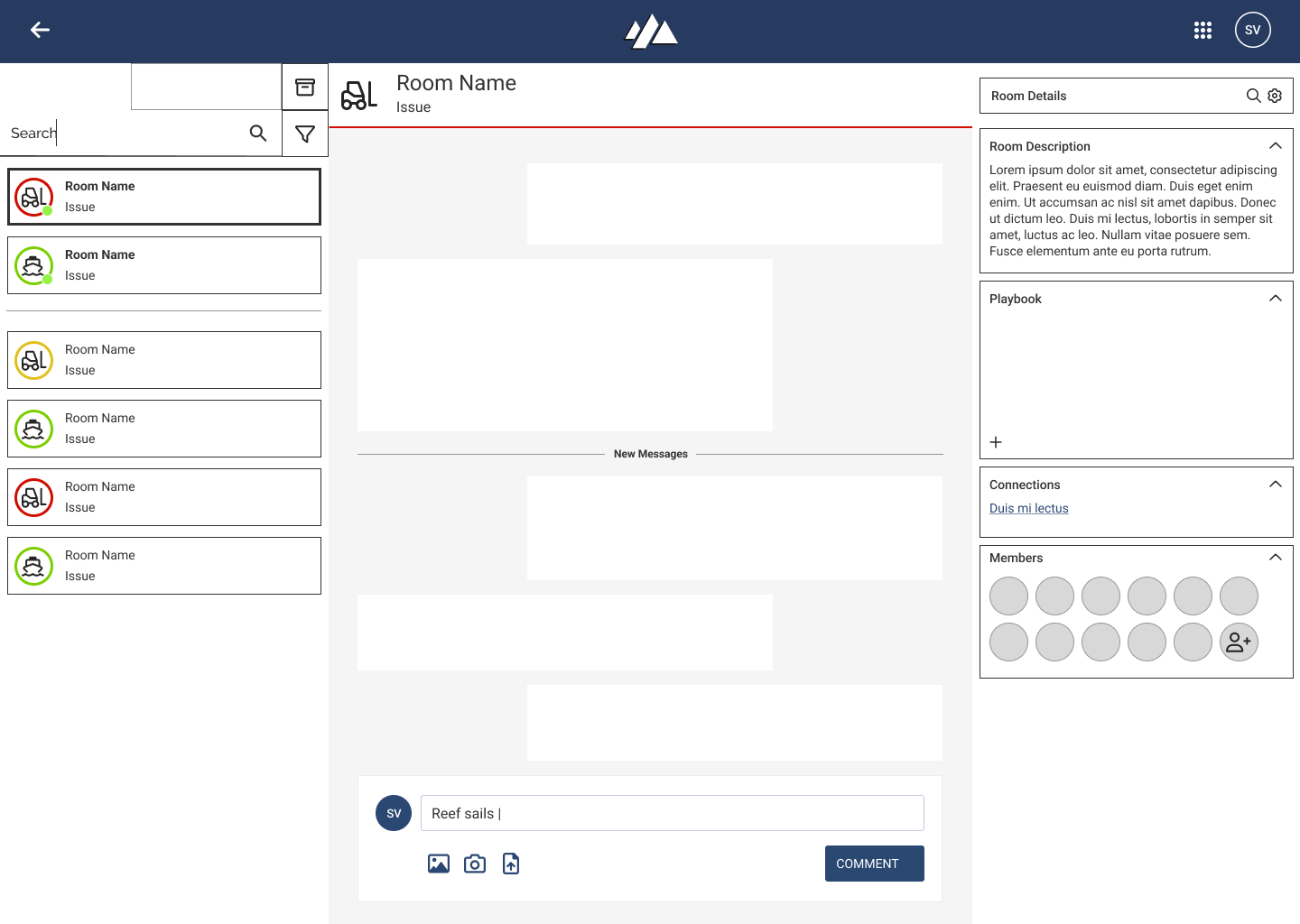
The initial client presentation was structured in three parts: reference images showing how similar solutions had been implemented successfully in other industries, mid-fidelity splash pages outlining the proposed feature set and its key capabilities, and flow maps showing the scope of work and how the feature would function end-to-end.
Westshore's reaction was largely positive, with two notable moments. First, they were initially uncertain about the checklist and assignment features — they didn't immediately see the need. When I explained that checklists weren't just task management but the mechanism that would generate playbooks and create regulatory accountability trails, the value clicked immediately. Second, and more significantly, the playbook concept landed with particular force. Westshore had been struggling for years with knowledge loss due to retirements and union restrictions on knowledge transfer. The idea that a closed Room would automatically archive its conversation and generate a reusable playbook for future similar problems addressed something they had known was broken but hadn't been able to articulate as a design problem.
The Solution
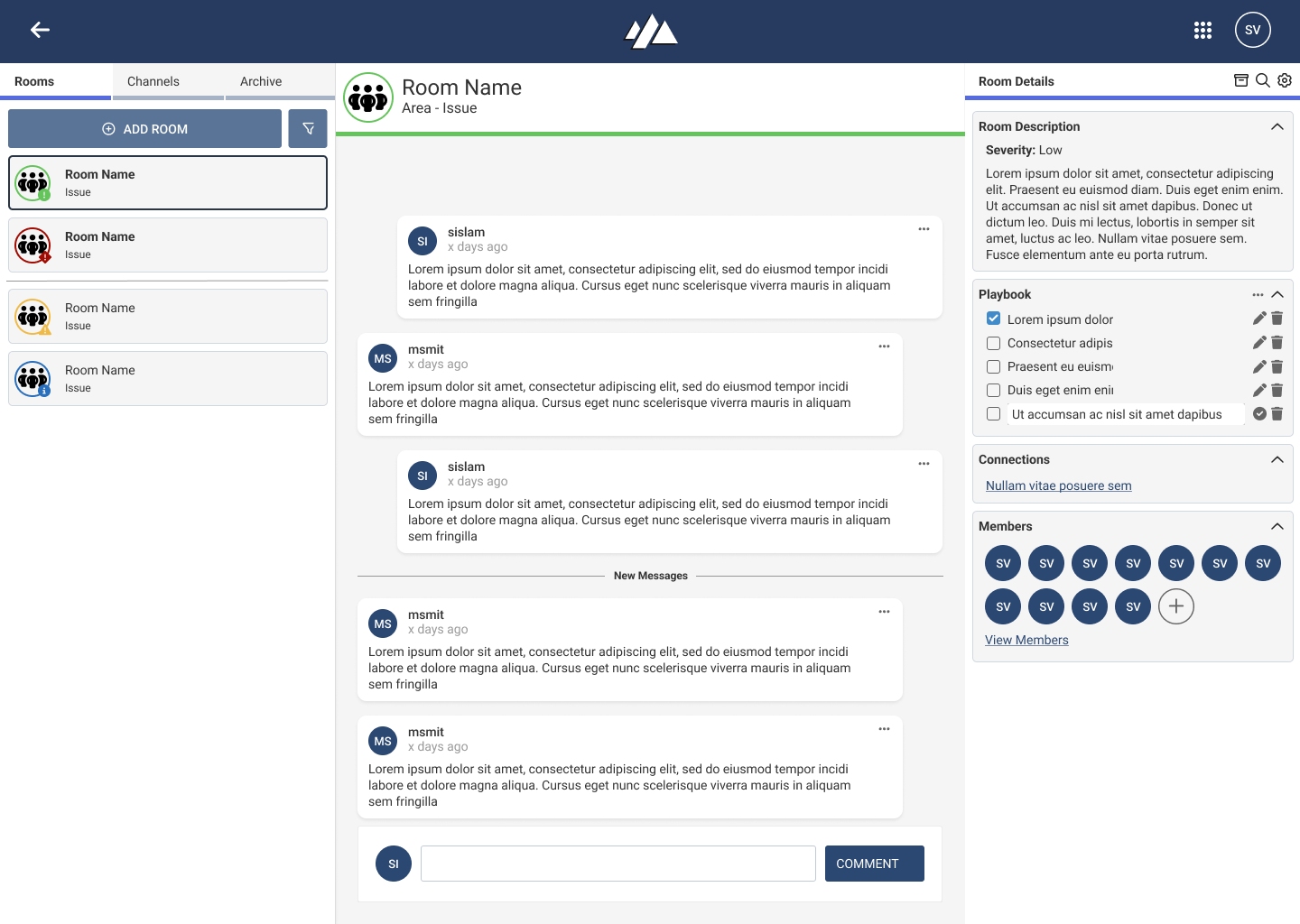
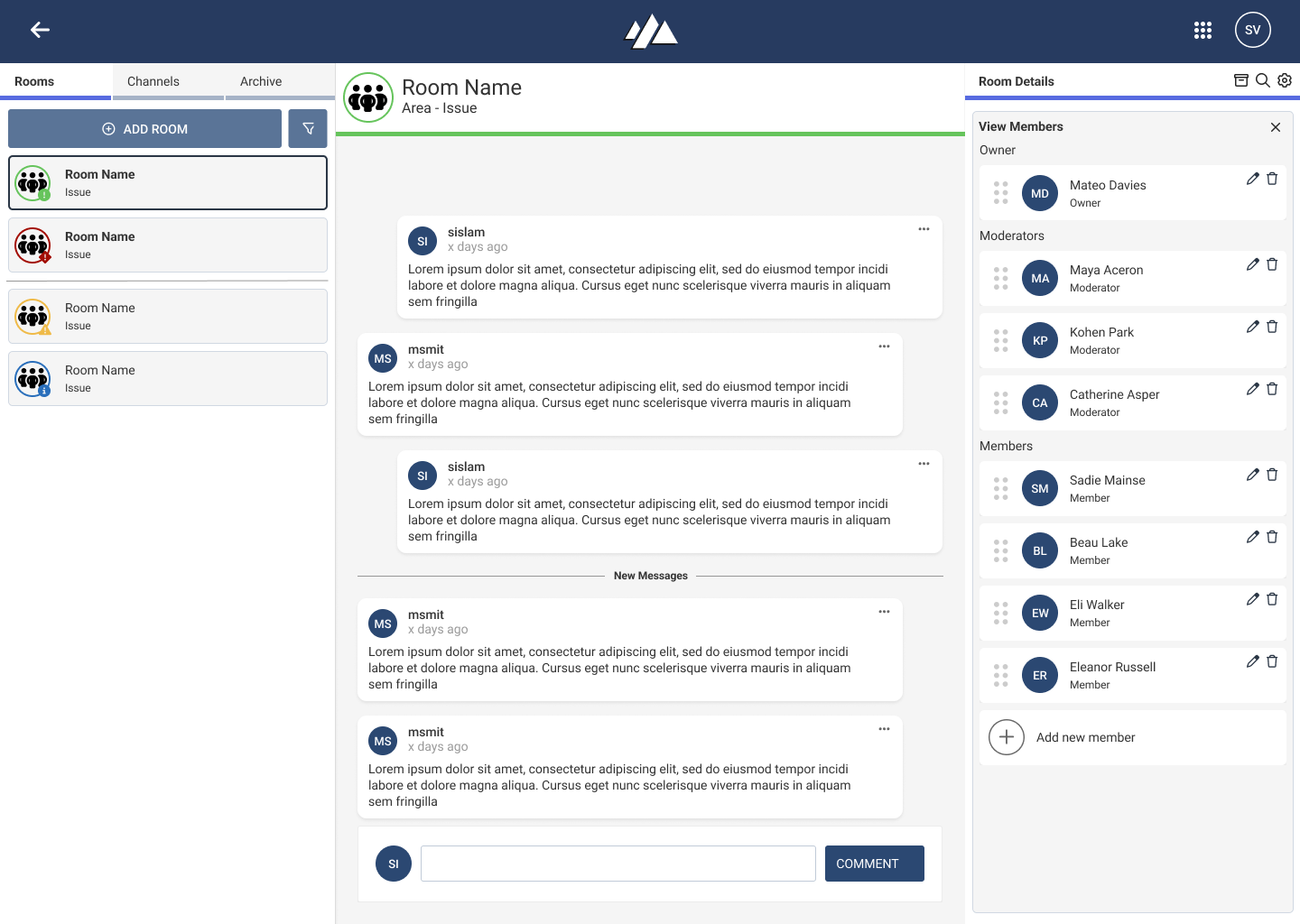
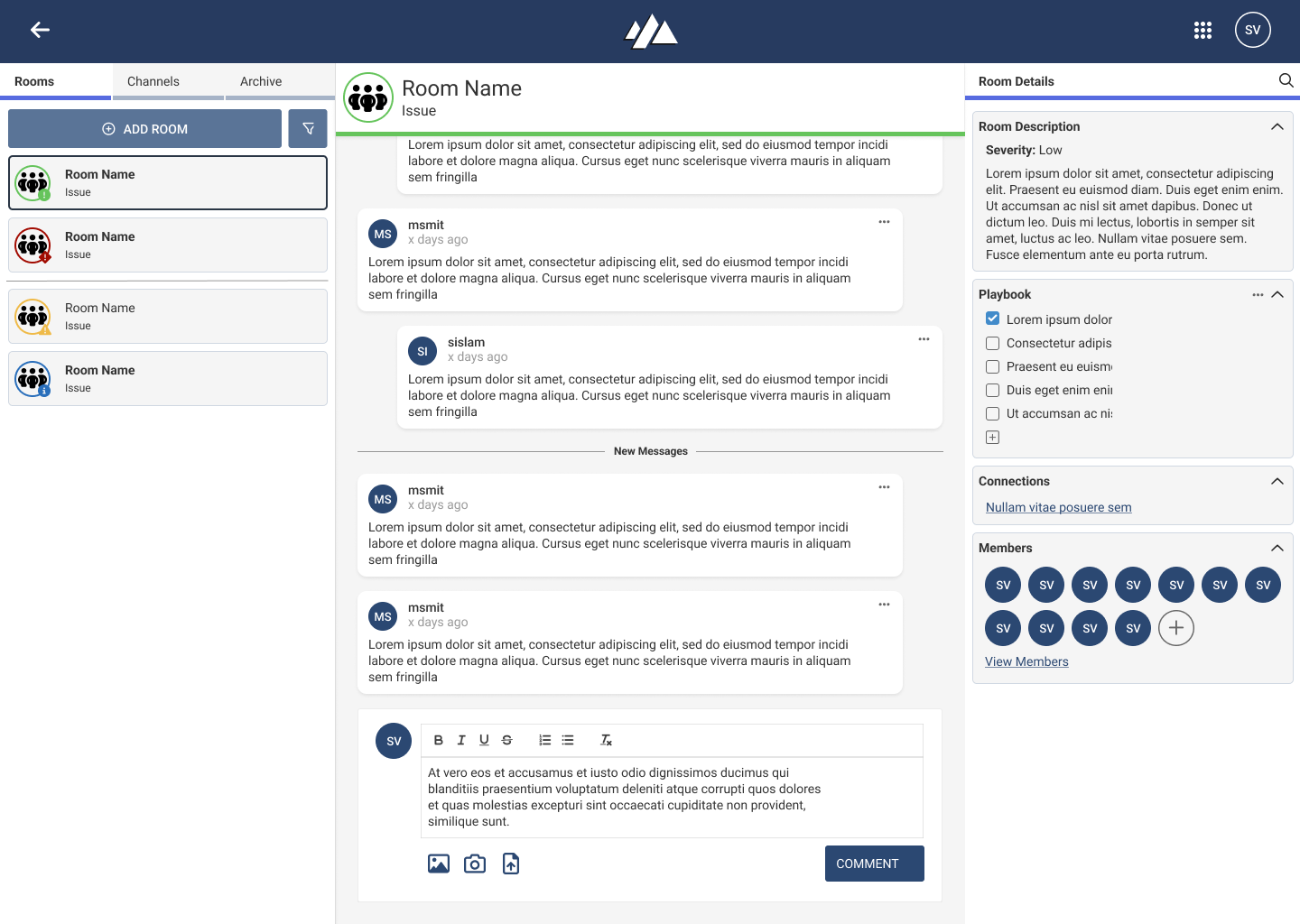
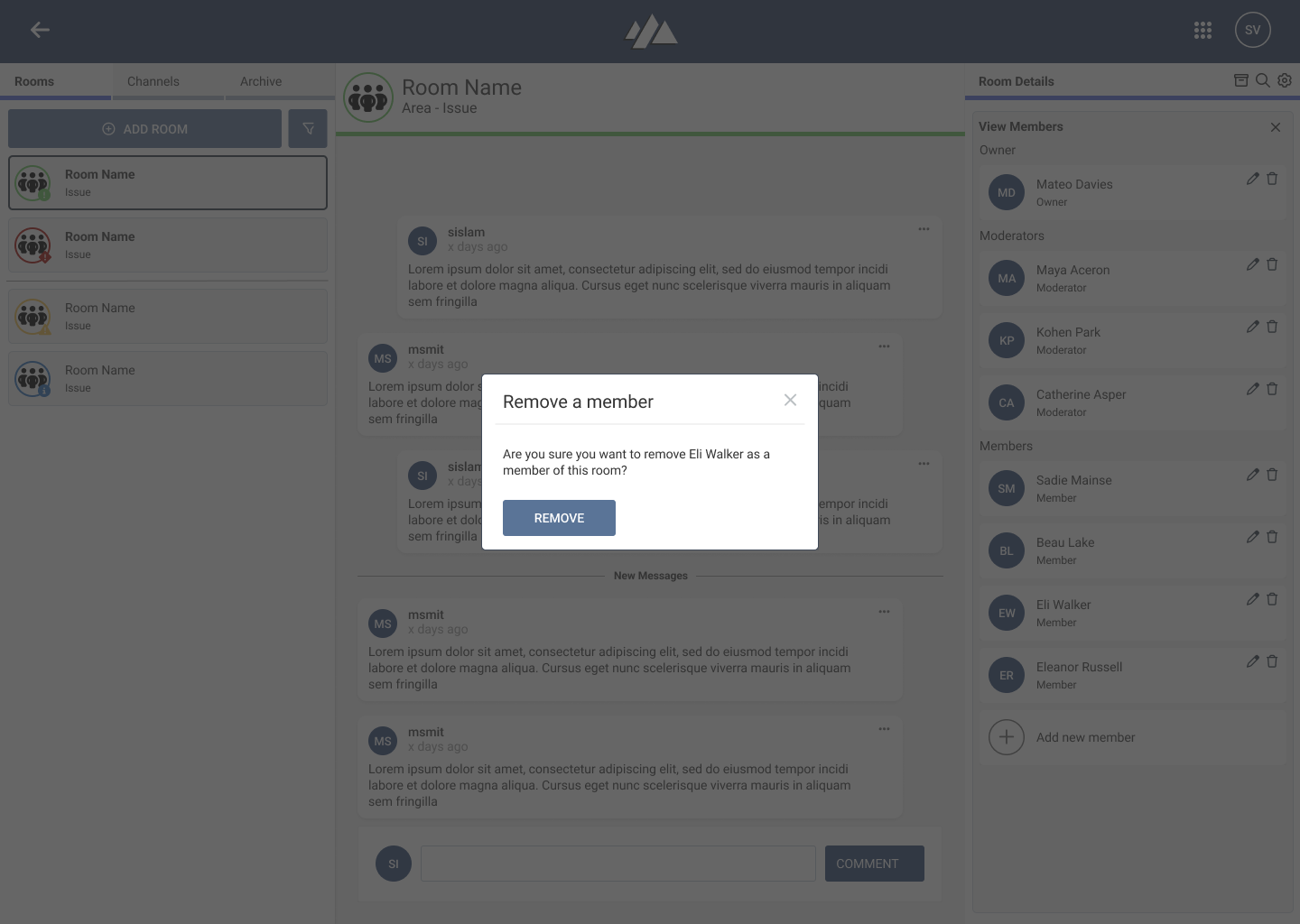
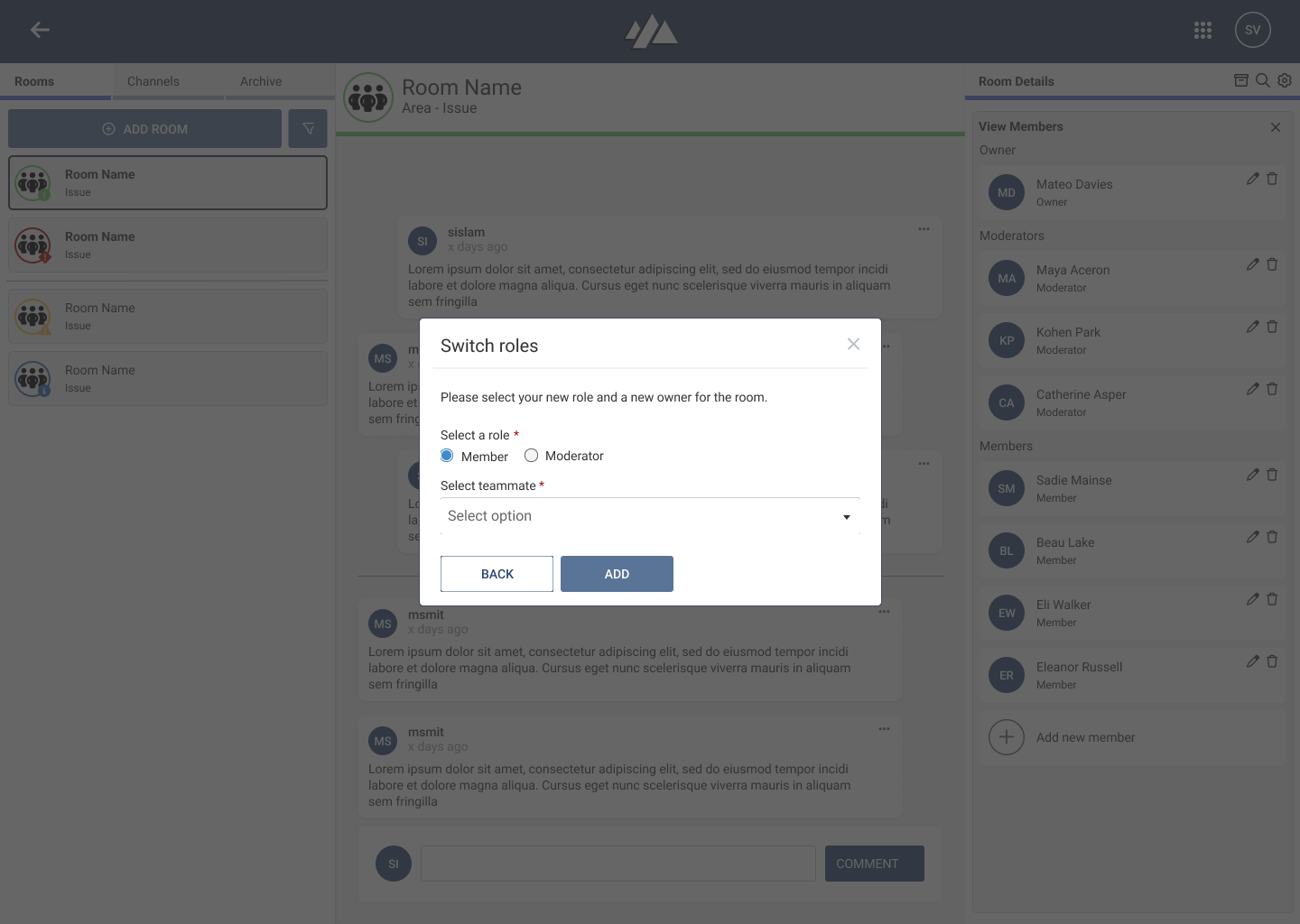
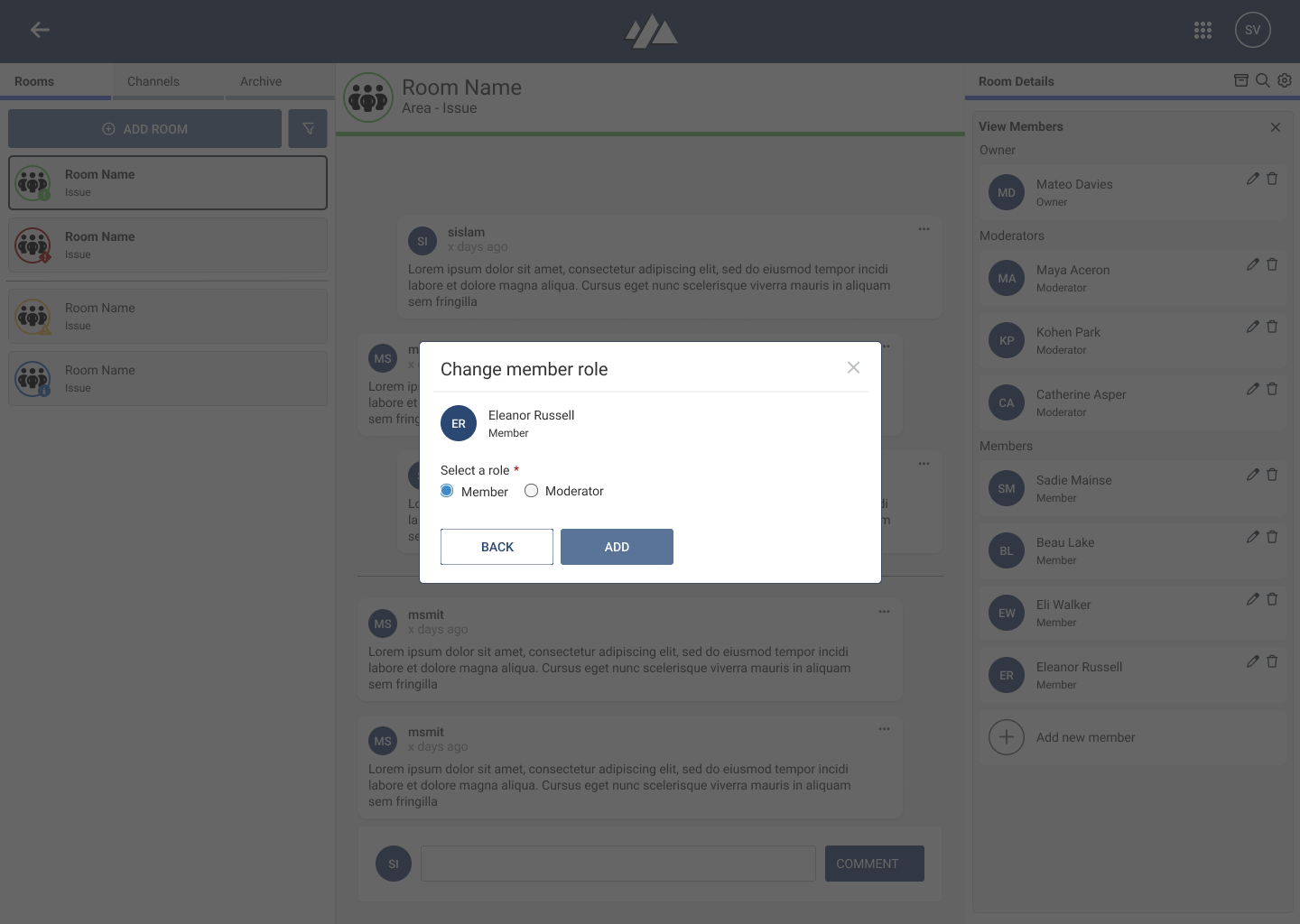
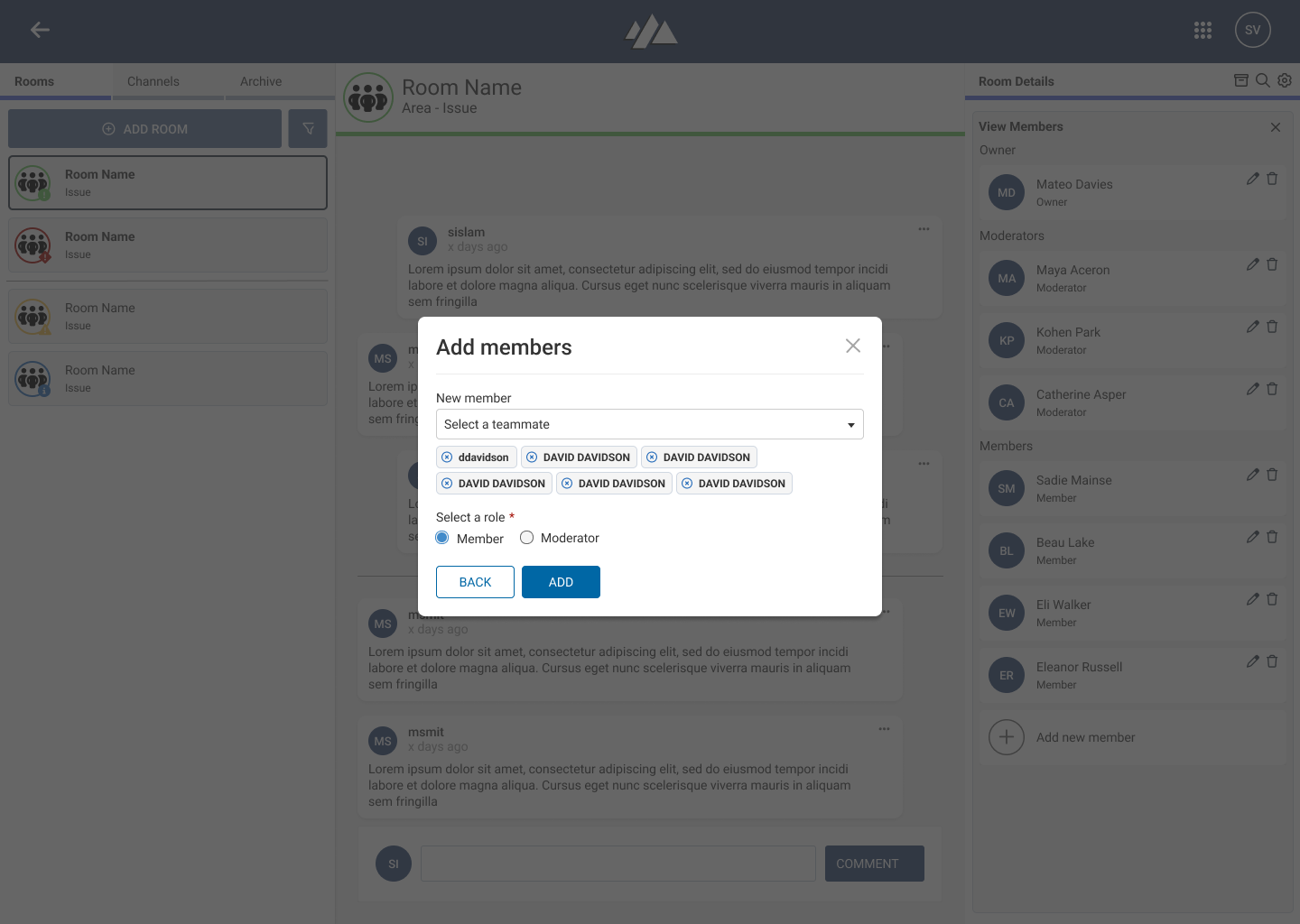
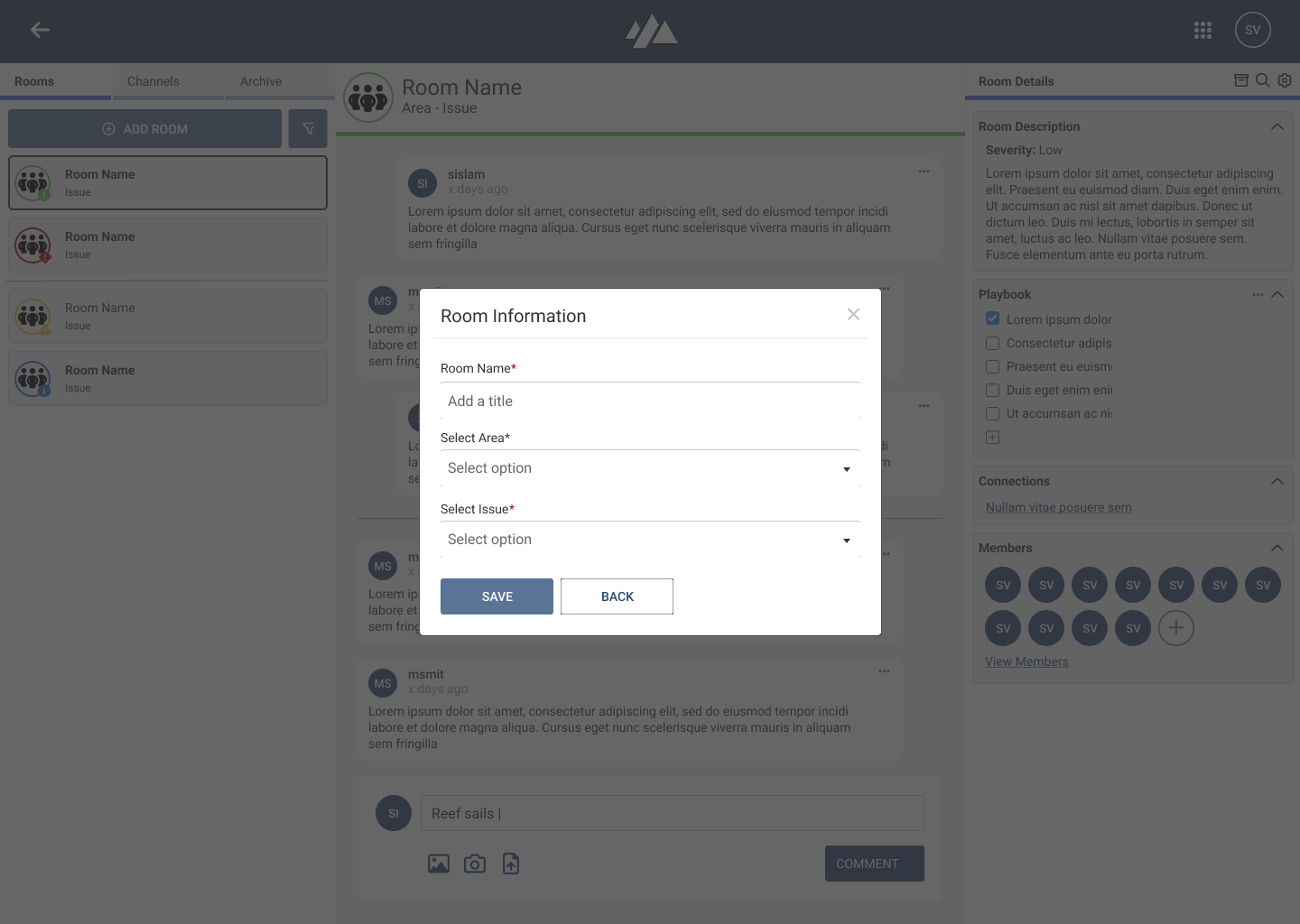
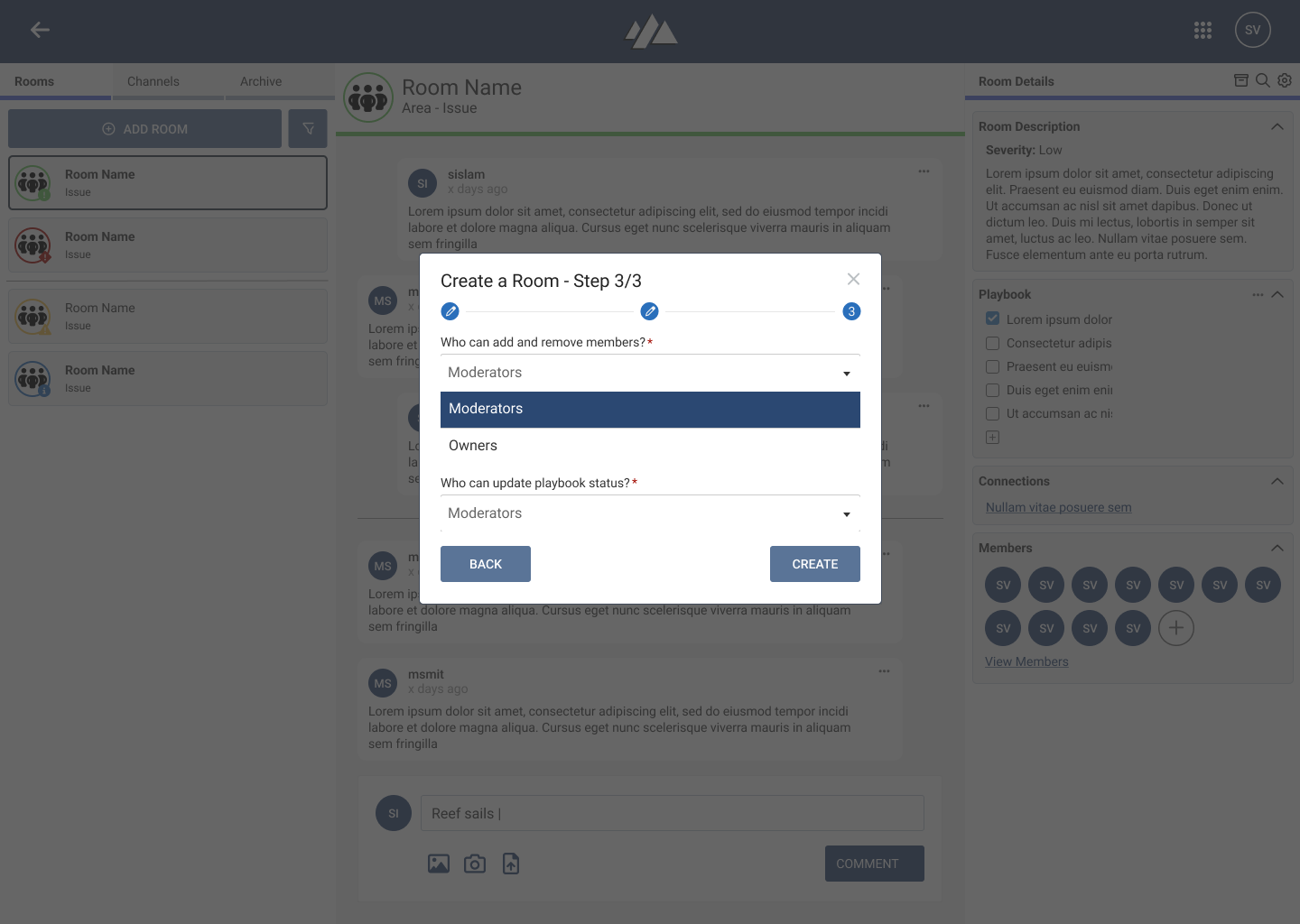
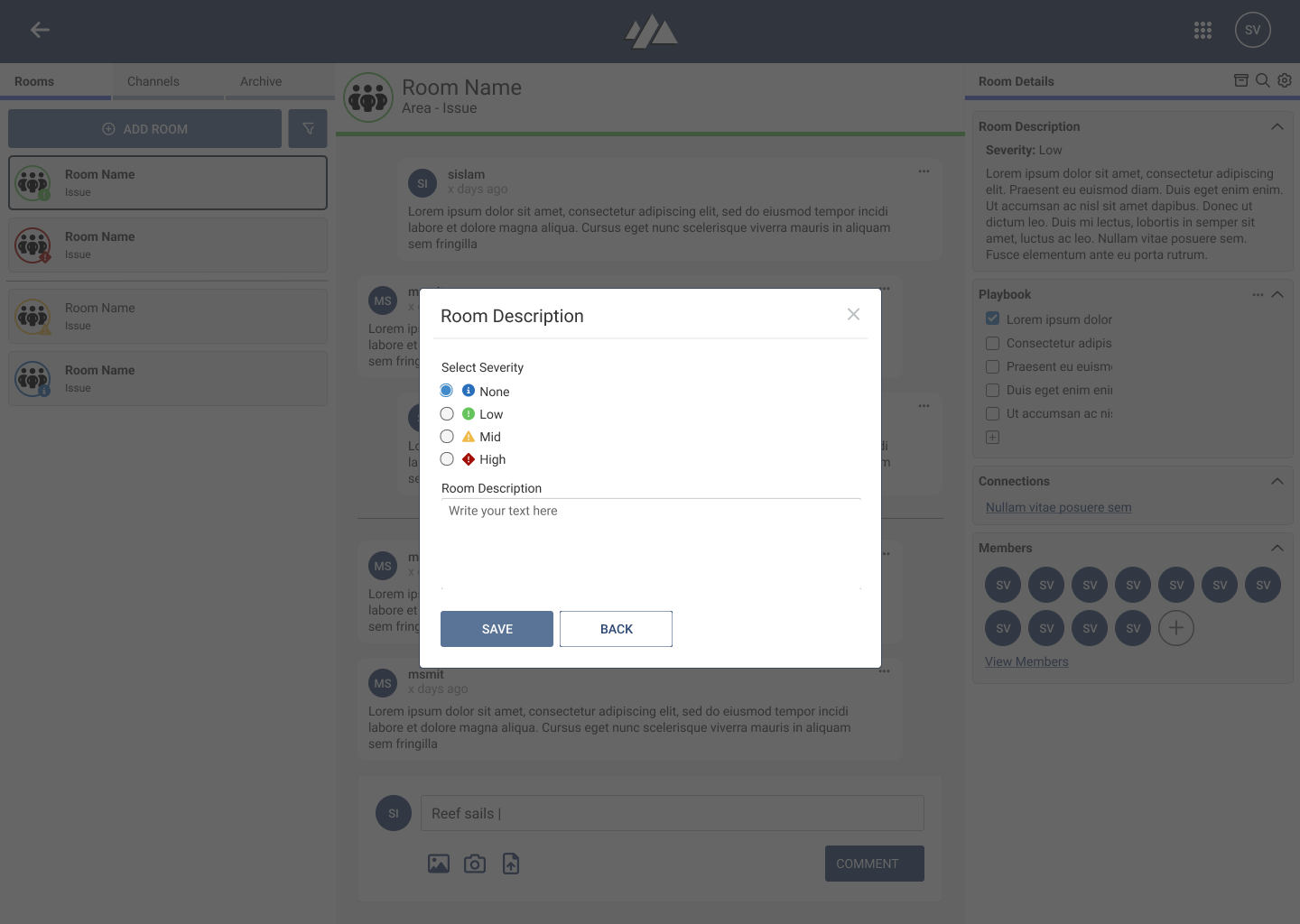
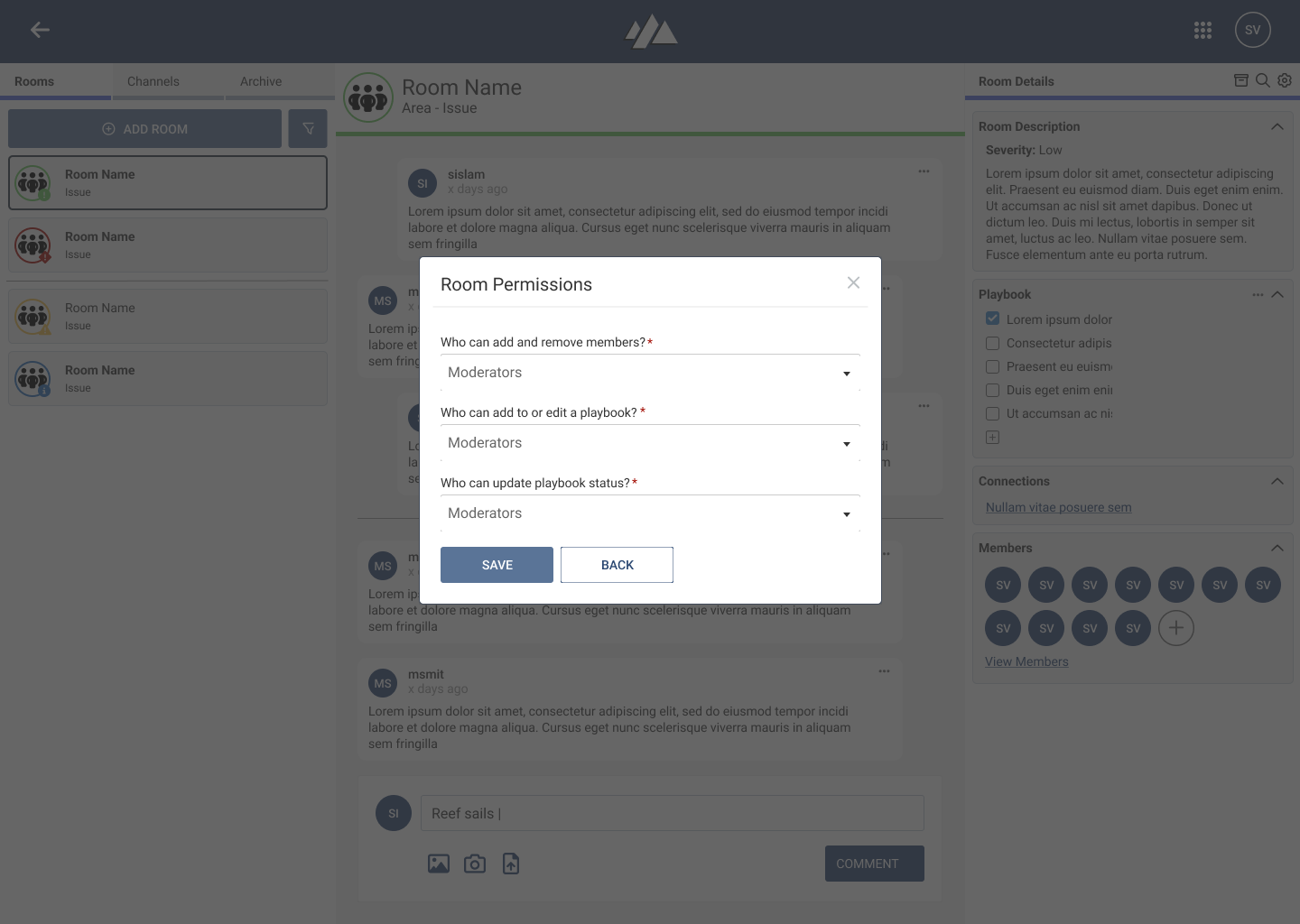
Communication Rooms are purpose-built spaces created around a specific operational problem. A room owner creates the room, invites relevant team members based on their connection to the issue, and controls access throughout. Conversations happen in real time — more like Teams or Discord than a bulletin board — which makes problem-solving genuinely conversational rather than asynchronous.
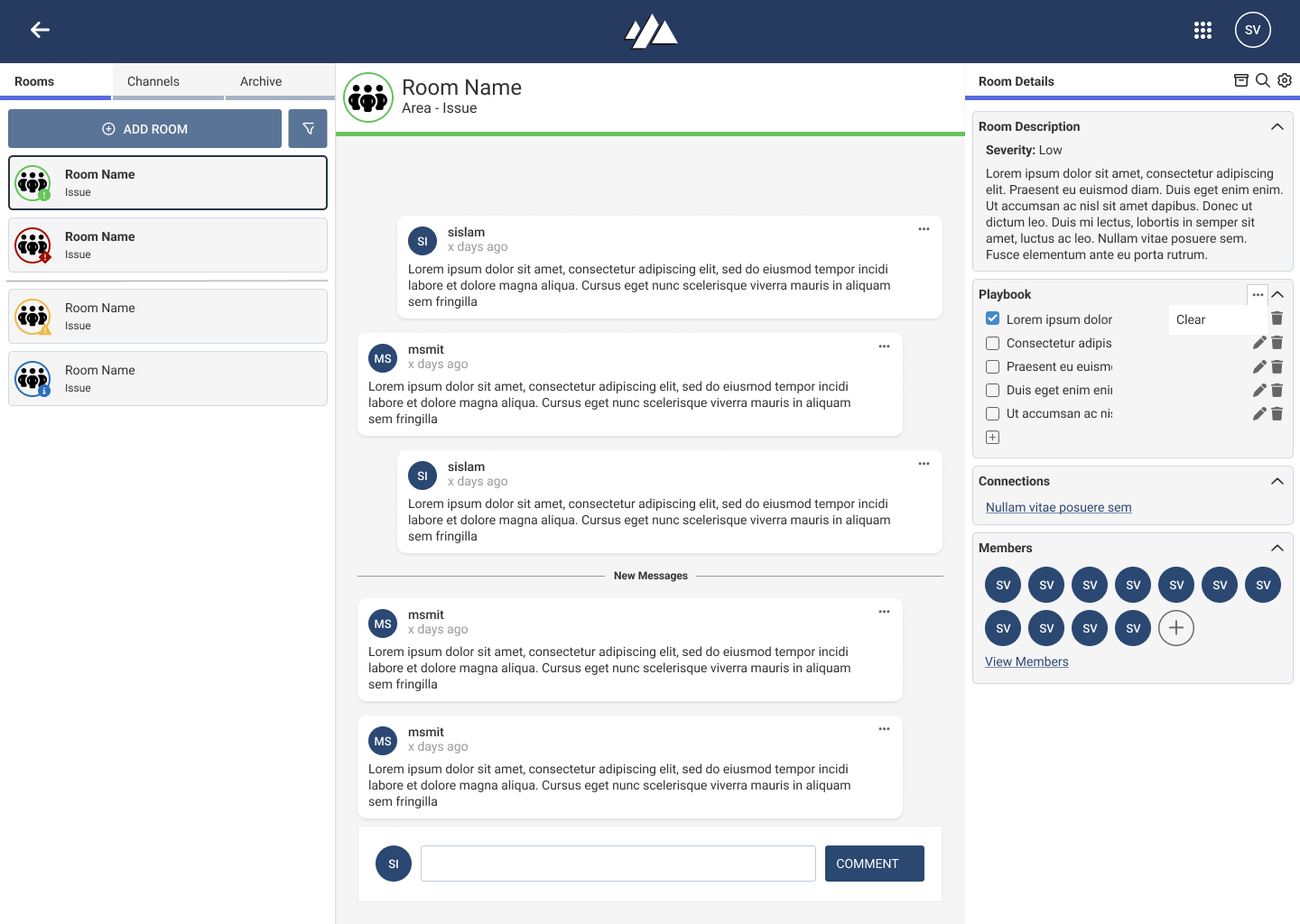
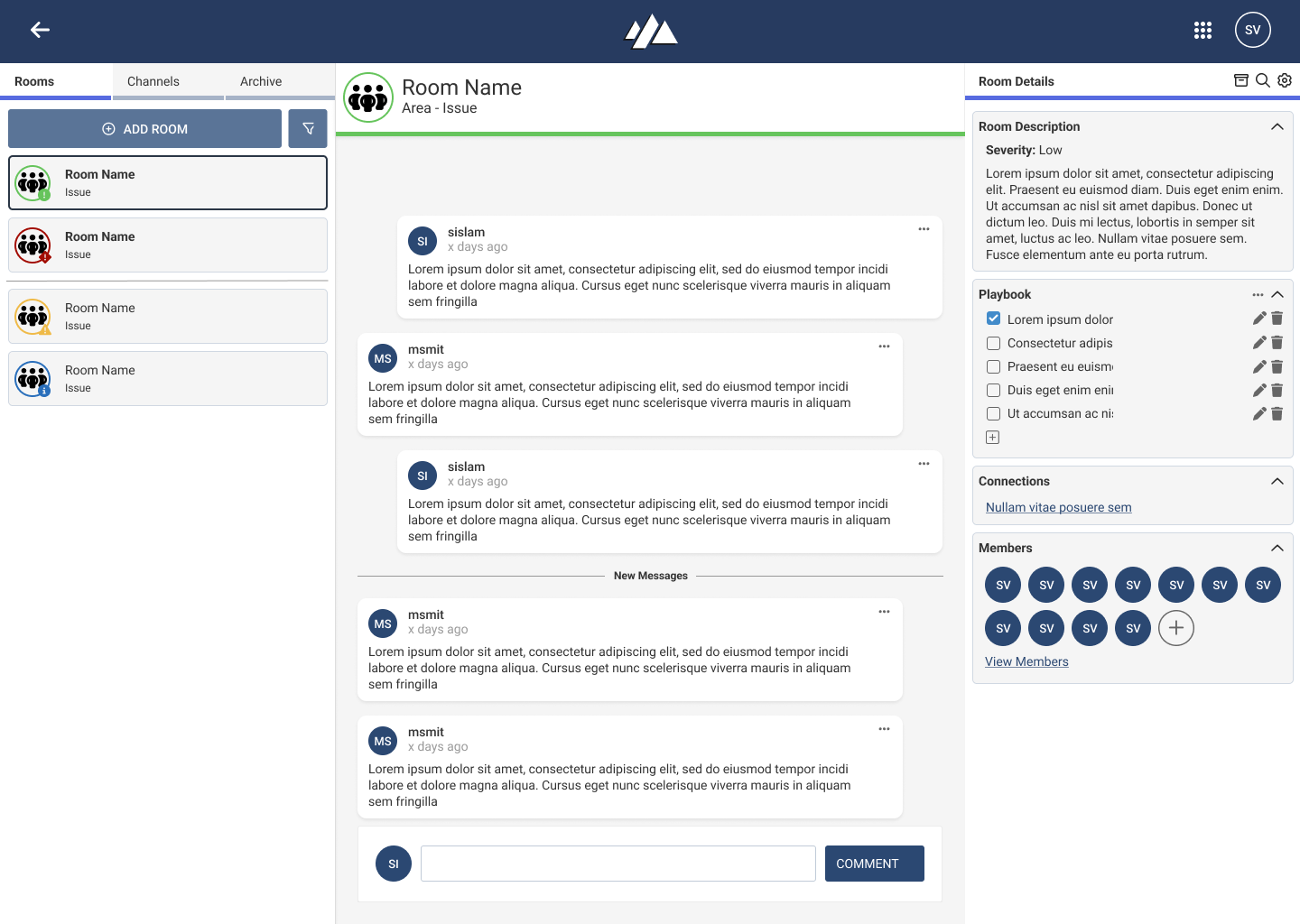
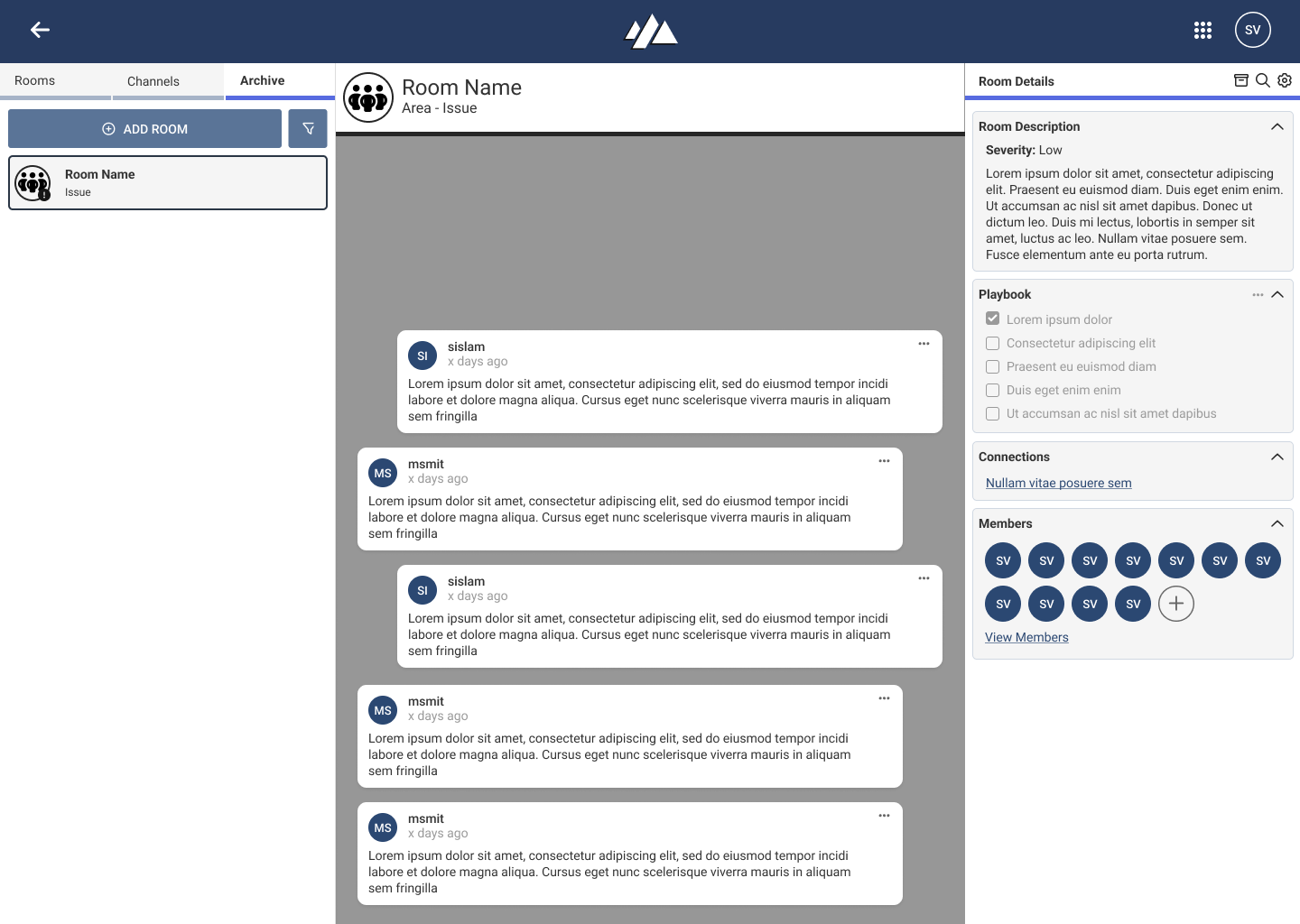
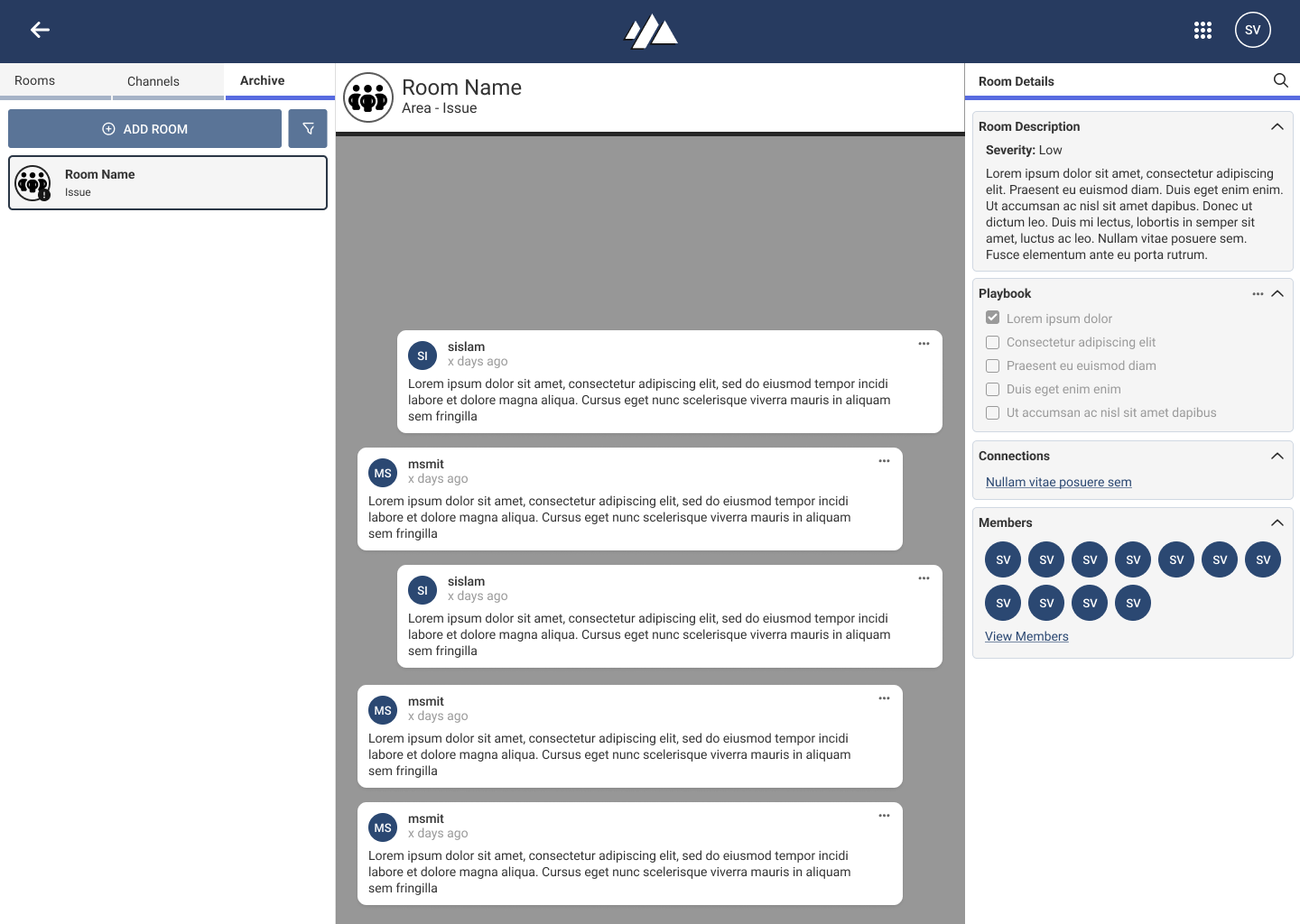
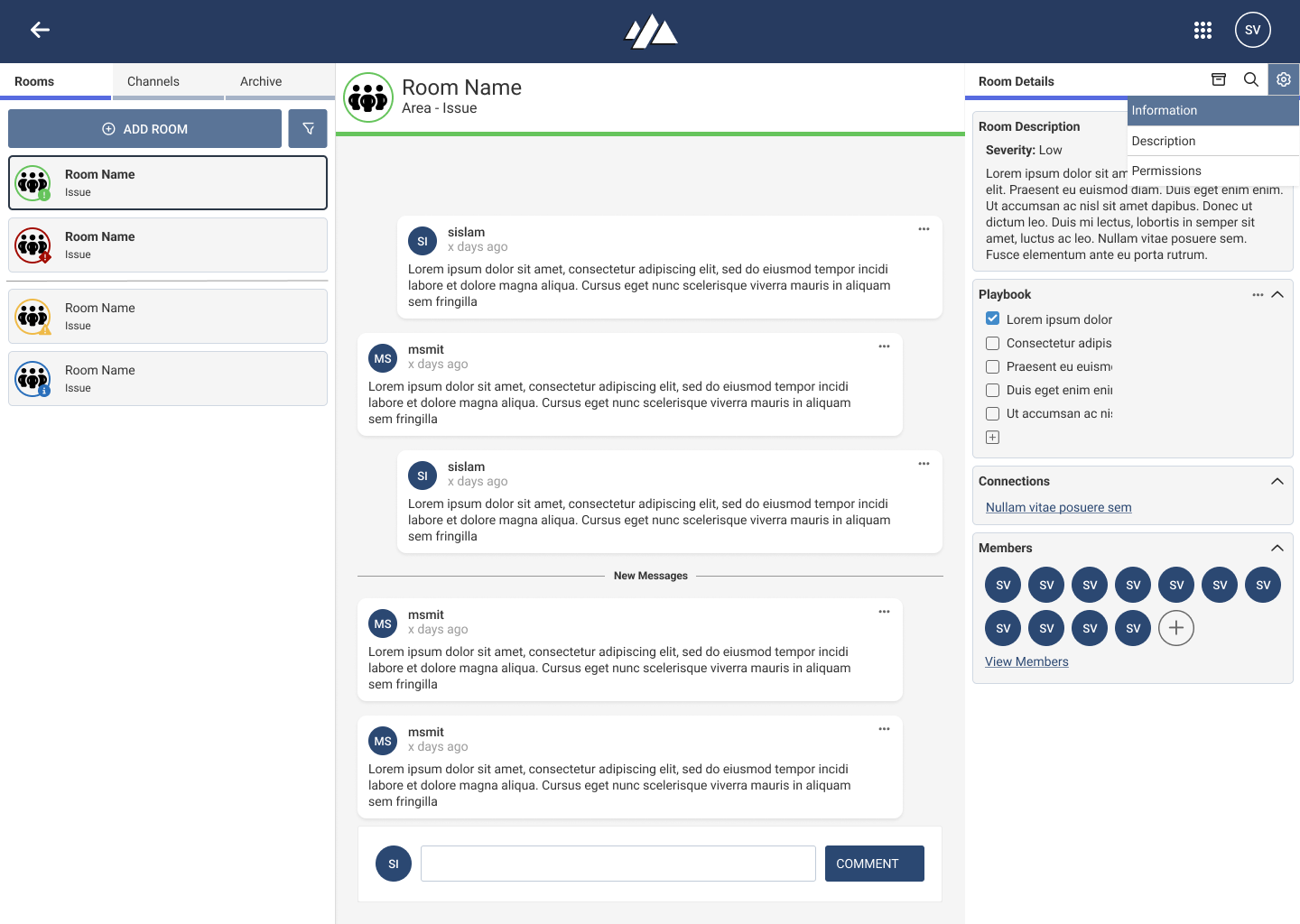
Within a room, live data links replace static imports, ensuring decisions are made on current information. Tasks are tracked through checklists with individual assignments, creating accountability and a clear record of who did what and when. When a problem is resolved and the room is closed, the conversation is archived rather than deleted — providing a permanent reference. The owner can then convert the room's steps and assignments into a playbook: a reusable template that can be applied automatically if a similar issue arises in the future, with recommended team assignments based on the original resolution.




The Outcome
The Rooms feature was the first thing Westshore named when negotiating their contract renewal with the Architech sales team. They cited it directly as a reason for renewing — not as a future possibility, but as demonstrated evidence that the partnership was producing work worth continuing. The contract was extended by at least two years.
The outcome mattered because the feature solved a problem the client had felt but couldn't articulate. That's the version of design work I find most meaningful — not building what was asked for, but identifying what was actually needed.