Westshore:
Pivot into Leadership
The Context
During my time at Architech, two projects at Westshore Terminal gave me the opportunity to step into design leadership in a meaningful way: mentoring a junior designer through a complex B2B engagement, and leading a team through a client rejection and successful redesign of a train forecasting system.
Mentoring Through the B2C to B2B Shift
The junior designer I worked with came primarily from B2C product work — consumer-facing applications where visual polish and user delight are primary design currencies. Westshore was a different environment entirely: a complex industrial operations platform where function, data density, and precise technical detail mattered far more than aesthetic expression.
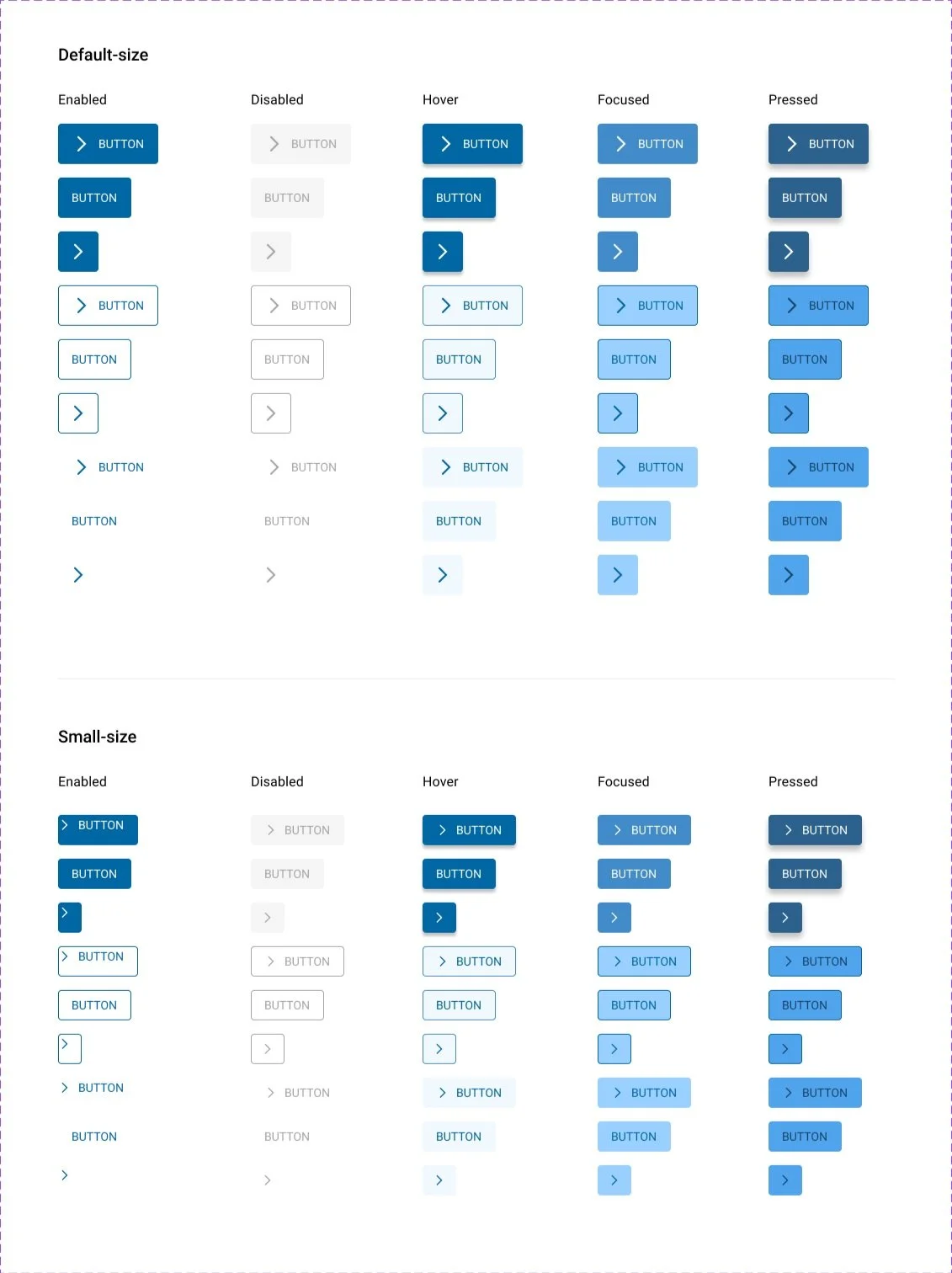
My initial role was on-boarding them into the Westshore design system and the organizational dynamics of the engagement — understanding the stakeholders, how decisions were made, and why the design constraints existed. Alongside that, we tackled a project to rebuild the Westshore design library, updating it to align with the material front-end system and improving consistency and usability across components. I gave the junior designer meaningful ownership of this work while staying close enough to provide direction and catch problems early. That balance — enough space to explore and build confidence, enough structure to prevent wasted effort — was something I was actively learning to calibrate throughout the engagement.
The Train Forecasting Rejection
The harder lesson came with the Train Forecasting section: a new feature that needed to coordinate multiple train schedules across different companies, track inventory with precise detail — including weight, engine type, train length, and exact timing — and remain adjustable as operational variables shifted. It was a genuinely complex data problem.
The initial designs came back from Westshore rejected. When I reviewed the work and the client feedback, the problem was clear: the junior designer had approached the feature from a passenger rail mental model — tracking a train as a user might, focused on high-level status and clear visual communication. The Westshore team needed something fundamentally different. They were operational managers who needed to make precise decisions from dense, detailed data. The designs were visually considered but functionally misaligned with how those users actually worked.
I took full accountability for that with the client. It was my responsibility as the design lead to have caught the misalignment earlier, and I owned that directly rather than deflecting.
The Turnaround
Internally, I used the rejection as a coaching opportunity rather than a crisis. I worked through the gap with the junior designer specifically — not just what was wrong with the designs, but why: the fundamental difference between designing for a consumer who wants clarity and simplicity, and designing for a domain expert who needs completeness and precision. That distinction — the balance between usability and function in complex B2B and operational software — is one that takes real experience to internalize, and the rejection gave us a concrete, immediate example to learn from together.
We restructured our review cadence. More regular check-ins gave me earlier visibility into direction without removing the space to explore. The junior designer learned to flag uncertainty earlier rather than pushing further into a direction that hadn't been validated. Both of us came out of it with better habits.
The redesign we presented a sprint later was significantly more aligned with what Westshore needed. The client's response reflected a genuine shift — they saw a team that had listened, understood the problem at the right level, and delivered on it. Watching the junior designer's understanding visibly change across that sprint — from visual-first consumer product instincts to operational, data-centred B2B thinking — was one of the more satisfying moments of that engagement.
What This Taught Me
Design leadership isn't just about setting direction. It's about knowing when to intervene and when to give space, owning team mistakes without deflecting, and using setbacks as the most effective teaching moments available. The Train Forecasting project gave me a clear experience of all three, and it shaped how I approach mentorship in every role since.